Kīlauea vs Maunakea: Which Tour?
Kīlauea or Maunakea from Kona? Altitude, age limits, health rules, stargazing and timing compared, and why a twilight volcano tour is not a summit tour.
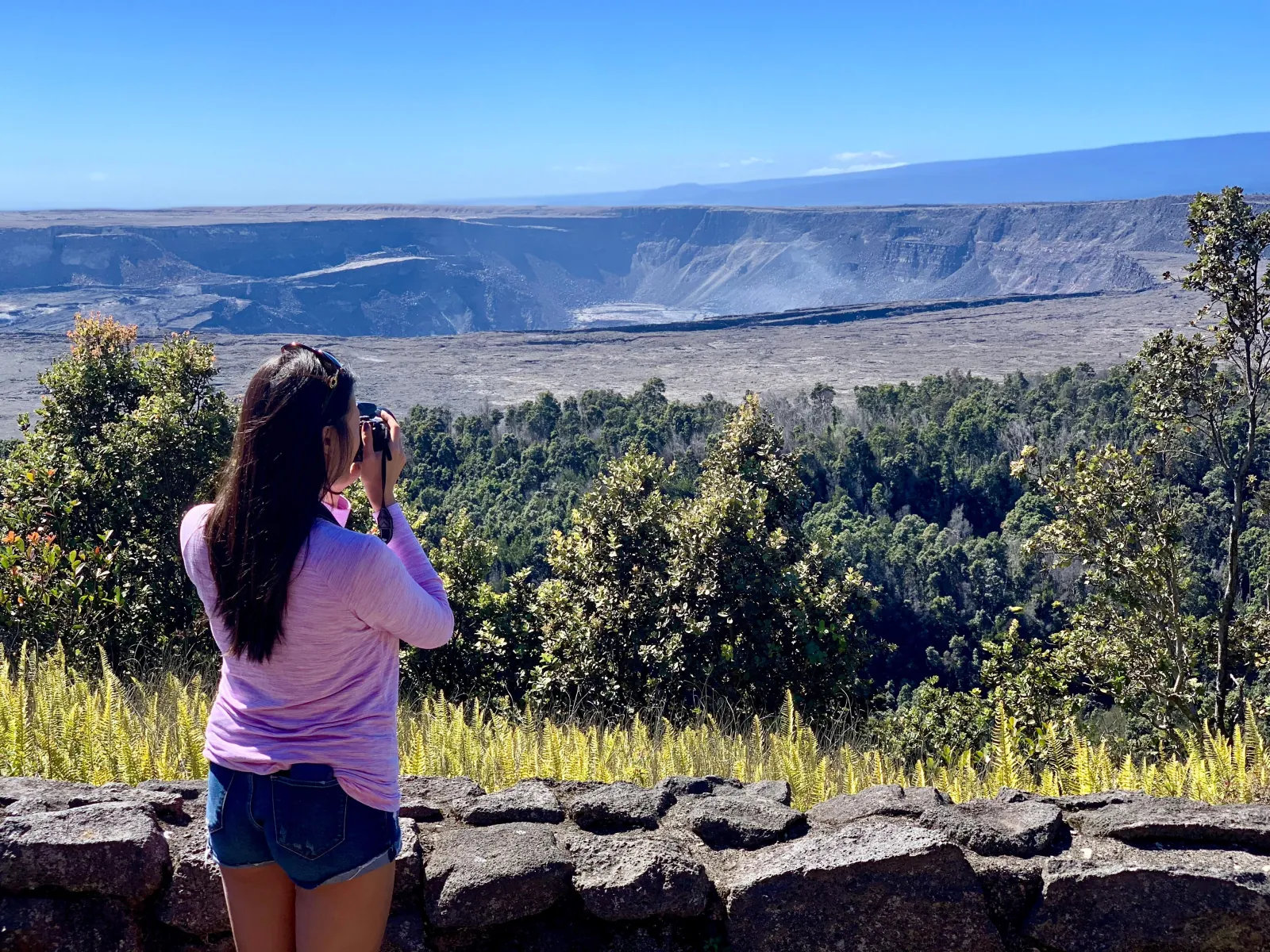
Choose Kīlauea if you want to see an active volcano up close, and Maunakea if you want the highest summit in Hawaiʻi and a night sky above the clouds. Kīlauea’s summit sits at about 4,000 feet inside Hawaiʻi Volcanoes National Park, with craters, steam vents, lava fields and a lava tube, and most tours accept young children, some from age 5 or 6 and some with no minimum. Maunakea’s summit is 13,803 feet, outside the park, with age limits of 13 or 16 and health restrictions. The evening Kīlauea tours that mention stargazing stay far below that summit, so they are not a substitute for it. This site compares Kīlauea volcano tours from Kona; for the summit you would book a separate trip.
Check Availability
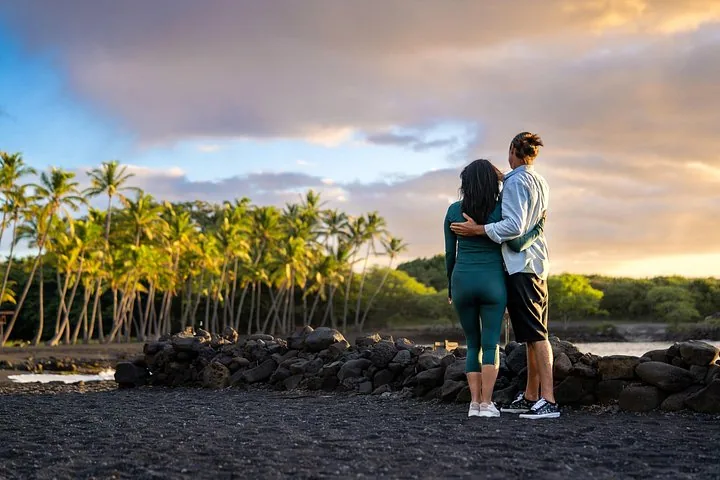
Big Island: Deluxe Volcano Experience with Restaurant Dinner
- 4.9/5 (631 reviews)
- About 11 hours
- Free cancellation
- Operated by Kailani Tours Hawaii
Includes Pickup and drop-off at four central points in Waikoloa, Kona airport, Kailua-Kona and Keauhou · Catered picnic lunch …
You'll choose your date and complete the booking on Viator. Free cancellation up to 24 hours before departure.
Same tour, also on GetYourGuide
From $324 per person · ★ 4.5 from 41 GetYourGuide reviews
Each platform sets its own price and collects its own reviews, so compare both before you book on Viator.
Two volcanoes, two different days
| Kīlauea | Maunakea summit | |
|---|---|---|
| Elevation | About 4,000 ft at the summit | 13,803 ft, the highest point in Hawaiʻi |
| Where | Hawaiʻi Volcanoes National Park | Outside the park, to the north |
| Volcano status | Erupting in episodes since December 2024 | Dormant; last erupted about 4,600 years ago |
| What you see | Summit caldera, Halemaʻumaʻu, steam vents, lava fields, Nāhuku lava tube | Observatories, sunset above the clouds, stars |
| Age limits | Under 5 not allowed on Wasabi and Kailani tours; 6+ on Hawaii Geo Tours | Most summit tours 13+, some 16+; observatory guidance advises against under-16s above 9,200 ft |
| Health | Volcanic gas is a risk for heart or lung conditions, pregnancy, infants and children | Advised against for pregnancy, scuba diving within 24 hours, heart or lung conditions |
| From Kona | 8 to 13 hour tours with hotel pickup | Separate trip; 4×4 only above the visitor station |
The two trips overlap less than the names suggest. A Kīlauea tour is a long day of walking short trails and standing at overlooks, often with a coffee farm and lunch on the way. A Maunakea summit trip is about altitude, cold and the sky.
Altitude, ages and health
Maunakea’s summit is about 9,800 feet higher than Kīlauea’s, and that gap explains the rules. The Maunakea Visitor Information Station (VIS) sits at 9,200 feet and is open daily 9 a.m. to 9 p.m. Above it the road is 4×4 only, and the summit is open from 30 minutes before sunrise to 30 minutes after sunset. Many rental contracts exclude the summit road, so check yours before you try it.
Age limits vary by operator, so there is no single rule. Most commercial summit tours set the minimum at 13 and some at 16, while observatory and VIS guidance advises that no one under 16 go above the VIS. Operators and observatory guidance also advise against the summit for anyone who is pregnant, has been scuba diving in the last 24 hours, or has a heart or lung condition.
Kīlauea is gentler on the body but not free of risk. NPS warns that volcanic gases such as sulfur dioxide pose a risk especially to people with heart or respiratory issues, infants, children and pregnant women, and its air-quality map updates every 15 minutes. On the tour side, Wasabi and Kailani do not take children under 5, Hawaii Geo Tours sets 6 as its minimum, and KapohoKine’s evening tour lists itself as not recommended during pregnancy. Our Kona volcano tours for families guide goes through the age bands tour by tour.
Other Experiences
Other experiences you might enjoy
More Kīlauea trips from Kona: day tours to the summit caldera and Nāhuku, and evening tours that add dinner near the park and a look at the night sky.
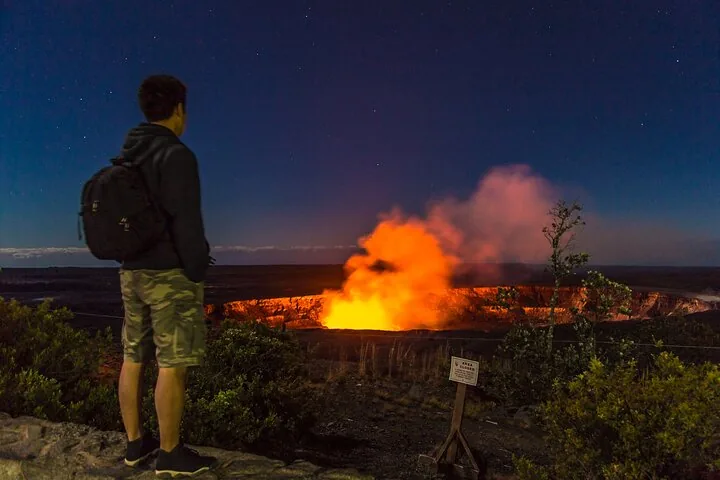

Stargazing: summit, visitor station or volcano tour
The darkest, clearest sky on the island is on Maunakea, but the free public stargazing many visitors remember has changed. The VIS nightly telescope program has been halted since 2019 because of safety concerns and overcrowding. You can still stargaze there on your own any clear night, staff sometimes give laser-guided sky talks, and a free monthly telescope event needs a reservation, but no formal nightly program runs.
The evening Kīlauea tours handle the sky differently:
| Tour | Price | Time in the park | What the listing says about the sky |
|---|---|---|---|
| Twilight Volcano & Stargazing (Wasabi) | From $309 per person | About 180 minutes | A 30-minute stargazing stop at a secluded spot near Maunakea, weather permitting |
| Deluxe Volcano Experience with Dinner (Kailani) | From $342 per person | About 90 minutes, then a sit-down dinner | Binoculars included; stargazing is not listed |
Neither is a summit tour. Wasabi’s stop is on the way home and its inclusions do not mention a telescope, although some reviewers write that their guide brought one. Kailani’s listing promises the dinner and binoculars; a few reviewers describe a stop to look at the stars on the drive back, but treat that as a bonus. Our volcano and stargazing tours page compares these packages in detail.
The Kailani tour suits travelers who want Kīlauea late in the day with a proper meal. It picks up from 11 a.m. at Waikoloa to 12:15 p.m. at Keauhou, visits a coffee farm and a bakery, spends about 90 minutes at the crater stops, and ends with a three-course dinner; the GetYourGuide listing of the same trip names Kilauea Lodge. It holds 4.9 from 631 reviews, and we cover it in our review. Its route also lists Punaluʻu Black Sand Beach, which has been closed since 29 August 2026, so expect a change there.
Lava is never guaranteed on any of these. As of the USGS update of 23 October 2026, Kīlauea’s eruption was paused after Episode 55 on 17 October; see the USGS Kīlauea page for the current status.
Can you do both in one day?
Not comfortably. Kīlauea is 95 miles from Kona, so a volcano day already runs 11 hours or more, and the Maunakea summit closes to visitors 30 minutes after sunset. Anyone who dived that morning should skip the summit anyway. Plan two separate days: Kīlauea with a tour from Kona, and Maunakea either with a summit operator or on your own as far as the VIS in an ordinary car.
Kīlauea, Maunakea and the other three
Hawaiʻi Island is built from five volcanoes. Hawaiʻi Volcanoes National Park protects the summits of two of them, Kīlauea and Mauna Loa; Maunakea, Hualālai and Kohala lie outside the park to the north. Mauna Loa erupted in 2022, and Hualālai reaches about 8,278 feet. USGS rates Maunakea as dormant, with its last eruption about 4,600 years ago, and does not consider it extinct.
Frequently asked questions
Is Maunakea in Volcanoes National Park?
No. The park protects the summits of Kīlauea and Mauna Loa. Maunakea lies north of the park, and its visitor station and summit road are managed through the University of Hawaiʻi’s Center for Maunakea Stewardship.
Is Maunakea still erupting?
No. USGS classes Maunakea as dormant, with its last eruption about 4,600 years ago. It is not considered extinct. Kīlauea is the volcano erupting now, in episodes since December 2024.
Is Maunakea open to the public?
Yes. The Visitor Information Station at 9,200 feet is open daily 9 a.m. to 9 p.m., and the summit is open from 30 minutes before sunrise to 30 minutes after sunset. The road above the VIS is 4×4 only.
Which is better for stargazing, Maunakea or the volcano park?
Maunakea, for a dark, high sky, but the VIS no longer runs a nightly telescope program. Volcano tours such as Wasabi’s twilight trip add a short stargazing stop at a much lower altitude, and no telescope appears in its listed inclusions.
Is Kīlauea in Volcanoes National Park?
Yes. Kīlauea’s summit caldera, including Halemaʻumaʻu crater where the current eruption takes place, is inside Hawaiʻi Volcanoes National Park, about 4,000 feet above sea level.
Ready to book?
If Kīlauea is your pick, our Kīlauea day vs night tours page helps you choose a time of day, and you can check dates for the Kailani dinner tour in the availability box.
Spend the Day at Kīlauea, Not at the Wheel
A guide drives the 95 miles from Kona, then walks you through the summit craters, the crater road and a lava tube before the ride home.
Check Availability & Book